


Developing physical literacy and delivering quality sport
on our blog
 https://sportforlife.ca/wp-content/uploads/2026/09/SPL1-Elementary_Certifications_eNewsPost_EN.png
250
500
annie
https://sportforlife.ca/wp-content/uploads/2023/02/sport-for-life-logo-en-1.png
annie2026-09-03 05:30:002026-09-02 17:10:19School Physical Literacy Leader – Level 1 (Elementary) Is Now Available On-Demand
https://sportforlife.ca/wp-content/uploads/2026/09/SPL1-Elementary_Certifications_eNewsPost_EN.png
250
500
annie
https://sportforlife.ca/wp-content/uploads/2023/02/sport-for-life-logo-en-1.png
annie2026-09-03 05:30:002026-09-02 17:10:19School Physical Literacy Leader – Level 1 (Elementary) Is Now Available On-Demand https://sportforlife.ca/wp-content/uploads/2025/09/Certifications_eNewsPost.png
250
500
annie
https://sportforlife.ca/wp-content/uploads/2023/02/sport-for-life-logo-en-1.png
annie2026-09-01 11:04:352026-09-01 12:46:26Sport for Life’s Post-Secondary Partnership Program Grows to 20+ Institutions
https://sportforlife.ca/wp-content/uploads/2025/09/Certifications_eNewsPost.png
250
500
annie
https://sportforlife.ca/wp-content/uploads/2023/02/sport-for-life-logo-en-1.png
annie2026-09-01 11:04:352026-09-01 12:46:26Sport for Life’s Post-Secondary Partnership Program Grows to 20+ Institutions https://sportforlife.ca/wp-content/uploads/2026/03/IPLCToulouse_eNewsPost.png
250
500
annie
https://sportforlife.ca/wp-content/uploads/2023/02/sport-for-life-logo-en-1.png
annie2026-09-01 06:00:042026-09-01 09:18:04IPLC 2026 in Toulouse: Four Questions Shaping the Future of Physical Literacy
https://sportforlife.ca/wp-content/uploads/2026/03/IPLCToulouse_eNewsPost.png
250
500
annie
https://sportforlife.ca/wp-content/uploads/2023/02/sport-for-life-logo-en-1.png
annie2026-08-27 05:30:342026-08-26 16:37:49Reach 300+ Physical Literacy Leaders in Toulouse
https://sportforlife.ca/wp-content/uploads/2026/03/IPLCToulouse_eNewsPost.png
250
500
annie
https://sportforlife.ca/wp-content/uploads/2023/02/sport-for-life-logo-en-1.png
annie2026-09-01 06:00:042026-09-01 09:18:04IPLC 2026 in Toulouse: Four Questions Shaping the Future of Physical Literacy
https://sportforlife.ca/wp-content/uploads/2026/03/IPLCToulouse_eNewsPost.png
250
500
annie
https://sportforlife.ca/wp-content/uploads/2023/02/sport-for-life-logo-en-1.png
annie2026-08-27 05:30:342026-08-26 16:37:49Reach 300+ Physical Literacy Leaders in Toulouse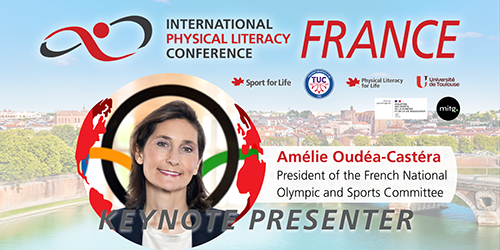 https://sportforlife.ca/wp-content/uploads/2026/08/IPLC-Toulouse-AmelieOudeaCastera_eNewsPost_EN.png
250
500
annie
https://sportforlife.ca/wp-content/uploads/2023/02/sport-for-life-logo-en-1.png
annie2026-08-25 05:30:422026-08-24 17:57:41Amélie Oudéa-Castéra to Keynote IPLC 2026: Lessons From Paris 2024 and the Future of Sport
https://sportforlife.ca/wp-content/uploads/2026/08/IPLC-Toulouse-AmelieOudeaCastera_eNewsPost_EN.png
250
500
annie
https://sportforlife.ca/wp-content/uploads/2023/02/sport-for-life-logo-en-1.png
annie2026-08-25 05:30:422026-08-24 17:57:41Amélie Oudéa-Castéra to Keynote IPLC 2026: Lessons From Paris 2024 and the Future of Sport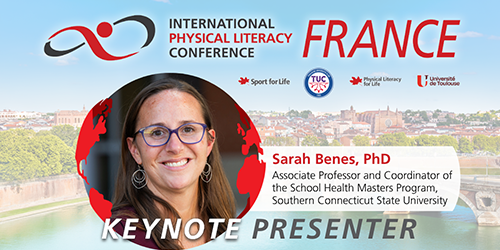 https://sportforlife.ca/wp-content/uploads/2026/08/SarahBenes_eNewsPost_EN.png
250
500
annie
https://sportforlife.ca/wp-content/uploads/2023/02/sport-for-life-logo-en-1.png
annie2026-08-19 17:45:252026-08-19 17:46:16Dr. Sarah Benes to Explore Physical Literacy and Collective Well-Being at IPLC 2026
https://sportforlife.ca/wp-content/uploads/2026/08/SarahBenes_eNewsPost_EN.png
250
500
annie
https://sportforlife.ca/wp-content/uploads/2023/02/sport-for-life-logo-en-1.png
annie2026-08-19 17:45:252026-08-19 17:46:16Dr. Sarah Benes to Explore Physical Literacy and Collective Well-Being at IPLC 2026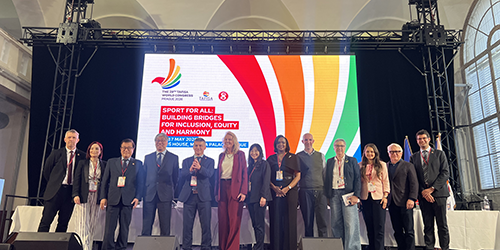 https://sportforlife.ca/wp-content/uploads/2026/07/TAFISARichard_eNewsPost.png
250
500
annie
https://sportforlife.ca/wp-content/uploads/2023/02/sport-for-life-logo-en-1.png
annie2026-07-29 11:33:022026-07-29 11:34:59Sport for Life Founder Richard Way Elected to TAFISA Board as Vice-President for the Americas
https://sportforlife.ca/wp-content/uploads/2026/07/TAFISARichard_eNewsPost.png
250
500
annie
https://sportforlife.ca/wp-content/uploads/2023/02/sport-for-life-logo-en-1.png
annie2026-07-29 11:33:022026-07-29 11:34:59Sport for Life Founder Richard Way Elected to TAFISA Board as Vice-President for the Americas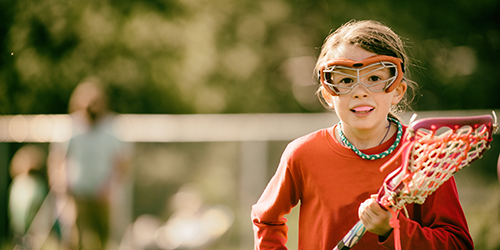 https://sportforlife.ca/wp-content/uploads/2026/07/ConnectedbySport_eNewsPost.png
250
500
annie
https://sportforlife.ca/wp-content/uploads/2023/02/sport-for-life-logo-en-1.png
annie2026-07-21 17:00:402026-07-21 17:07:07Connected by Sport: Building Bridges Between Newcomer and Indigenous Youth in Saanich
https://sportforlife.ca/wp-content/uploads/2026/07/ConnectedbySport_eNewsPost.png
250
500
annie
https://sportforlife.ca/wp-content/uploads/2023/02/sport-for-life-logo-en-1.png
annie2026-07-21 17:00:402026-07-21 17:07:07Connected by Sport: Building Bridges Between Newcomer and Indigenous Youth in Saanichwithin the basic Long-Term Development framework
Individuals who have a desire to be physically active are in the Active for Life stage. A participant may choose…
Athletes in the Train to Win stage are world class competitors who are competing at the highest level of competition…
Athletes enter the Train to Compete stage when they are proficient in sport-specific Train to Train athlete development components (physical,…
Athletes enter the Train to Train stage when they have developed proficiency in the athlete development performance components (physical, technical-tactical,…
Once a wide range of fundamental movement skills have been acquired, participants progress into the Learn to Train stage leading to…
In the FUNdamentals stage, participants develop fundamental movement skills in structured and unstructured environments for play. The focus is on…
From 0-6 years, boys and girls need to be engaged in daily active play. Through play and movement, they develop…
To engage in sport and physical activity, individuals must be aware of what opportunities exist for them, and when they…