

6 Questions to Ask When Evaluating Your Program Quality
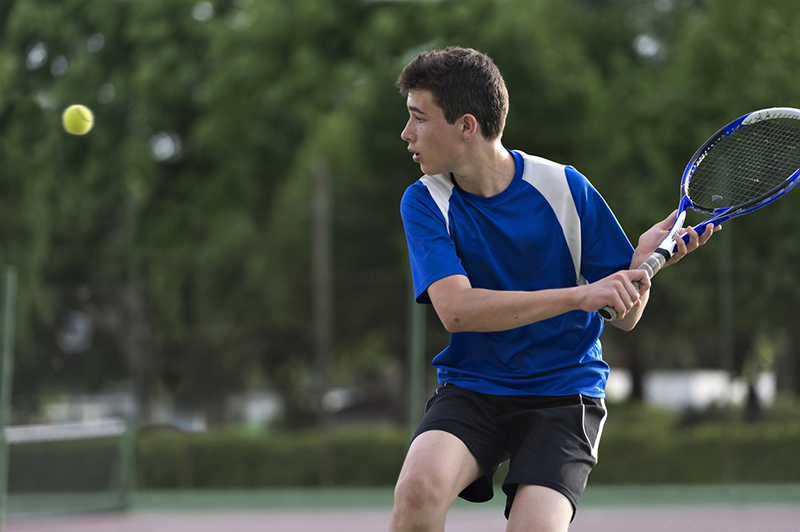
Canada has over 30,000 sport and recreation organizations—and dropout rates remain stubbornly high. The uncomfortable question for any program leader: Is your program actually as good as you think it is?
Research consistently shows that negative experiences—feeling excluded, unchallenged, or like you don’t belong—are leading causes of participants leaving. Meanwhile, participation remains lowest among lower-income families and marginalized groups, suggesting that many programs aren’t as welcoming as they think.
Quality sport isn’t about flashy facilities or winning records. It’s about the right people doing the right things at the right times. Here are six questions that cut through the noise and get to what actually matters.
1. Would a late-developing 12-year-old thrive here?
This question exposes whether your program is truly participant-centred or just organized for administrative convenience.
Picture a 12-year-old who’s smaller than peers, still growing into their coordination, and not yet ready to compete against early maturers who tower over them. In your program, would this kid get meaningful playing time? Would they be grouped with others at a similar developmental stage—or slotted by birth year and left to struggle?
Participant-centred programming means grouping by ability, size, and maturity—not just age. It means all participants are actively engaged and included. And it means considering the whole person: their mental and emotional state, not just their physical skills.
In practice: Some provincial/territorial sport organizations are now using “bio-banding”—grouping participants by developmental stage rather than birth year. When a late-maturing 12-year-old competes against others at a similar physical stage rather than against early developers who are bigger and stronger, they get the challenge they need without the discouragement. It’s a simple shift that keeps participants engaged instead of weeded out.
2. Are participants building skills—or just repeating the same season?
Here’s a simple test: Take a participant who’s been in your program for three years. Can you point to specific skills they’ve developed that they didn’t have when they started?
Quality programs are progressive and challenging. Participants build on existing skills, with options to adjust difficulty based on individual capabilities. In the early stages, this also means exposure—kids playing different positions, trying different events, sampling different sports.
A young soccer player who only ever plays forward misses the chance to develop a complete movement repertoire. Repetition without progression isn’t development—it’s stagnation.
In practice: Some national and provincial sport organizations now use “report card” approaches to stage-by-stage skill development, with checklists that track participant progress across multiple years. When you can show a participant (and their family) exactly which skills they’ve developed since last season—and which ones they’re working on next—you’ve moved from just running a program to actually developing people.
3. Could your coaches explain why they’re doing what they’re doing?
Certification matters—but it’s not enough. The real question is whether your coaches understand the why behind the what.
Can they explain Long-Term Development principles and how they apply to a specific age group? Do they know what a “sensitive period” is and how to take advantage of it? Can they articulate why they’re emphasizing skill development over winning with 9-year-olds?
Good coaches are trained (through NCCP or equivalent), screened, following child protection policies, and committed to ongoing learning. But great coaches can connect the dots between theory and practice. They use constructive language, involve participants in feedback, and model the values they’re trying to instill.
Equally important: Is your organization building capacity by mentoring future coaches? If your program depends entirely on a few key people, you’re one burnout away from a crisis.
In practice: The Aboriginal Coaching Modules, developed by the Aboriginal Sport Circle and delivered through the Coaching Association of Canada, train coaches to understand the communities they serve—addressing culture, values, and the whole person, not just technical skills. The principle applies universally: coaches who understand why a holistic approach matters design better sessions for any population, whether they’re working with Indigenous youth, newcomers, or any other group.
4. What happens to the losing team?
How participants experience challenge and success—win or lose—shapes whether they stay or leave.
Watch a lopsided game in your league. What’s happening on the losing side? Are those kids still engaged, still learning, still having moments of success? Or have they checked out, waiting for the final whistle?
Meaningful competition keeps participants in the “challenge zone”—not so difficult that it’s demoralizing, not so easy that it’s boring. That means balanced teams, modified rules, small-sided games, and formats that keep everyone playing rather than eliminating participants.
In the early stages, leaders should emphasize skill development over winning. Competition should reinforce what’s been practiced in training and give participants a chance to test newly learned skills in game situations—not just determine who has the earliest-maturing athletes.
Regular blowouts are often a signal that competition structure might need rethinking.
In practice: The North American Indigenous Games (NAIG) designs competition around the athlete experience, not just podium results. Teams are balanced, the focus is on personal growth, and the environment celebrates culture alongside sport. A social impact study found that 89% of participants felt more confidence from competing, and 96% intended to stay active afterward. That’s what happens when competition is designed to build people up, not filter them out.
5. Who’s missing—and why?
Take a hard look at who’s actually in your program. Then ask: Who’s not here?
Quality places are inclusive and welcoming—but inclusion isn’t just the absence of explicit barriers. It’s actively designing programs so people feel they belong. Is your registration process navigable for families with limited English? Are your fees realistic for lower-income households? Is your facility physically accessible? Do your promotional materials reflect the diversity of your community?
Beyond access, consider the environment itself. Is your equipment in good condition and sized appropriately for participants? Are facilities clean, well-lit, and maintained? Do you have personnel trained in first aid and clear policies on bullying, harassment, and misconduct?
Most importantly: Is it actually fun? Research on why kids play sport puts “fun” at the top—but fun isn’t just smiles. It’s the right level of challenge, supportive relationships, a sense of improvement, and feeling like you belong. If your program isn’t delivering that, participants will find somewhere else that does.
In practice: At the Park-Extension Youth Organization in Montreal, many families don’t speak English or French. So coaches go classroom to classroom in neighbourhood schools to explain how kids can register and who to contact for financial assistance. It’s a simple adaptation that answers the “who’s missing” question directly—and shows what happens when programs meet communities where they are.
6. Does your program design match what you say you believe?
This is the big-picture question. Many organizations say they believe in Long-Term Development, physical literacy, and holistic participant growth. Fewer have aligned their actual programming with those beliefs.
Is your program aligned with your national sport organization’s Long-Term Development framework? Are practices well-prepared and delivered in the context of seasonal and annual plans? In the early stages, are you developing fundamental movement skills alongside sport-specific skills?
Quality programs connect participants to developmentally appropriate opportunities—which might mean different tiers, different types of play, or pathways to other sports entirely. The goal isn’t to keep every participant in your program forever; it’s to give them what they need at each stage so they stay active for life.
In practice: Free Footie in Edmonton is a free after-school soccer program aligned with Long-Term Development principles—and it’s where Alphonso Davies first played organized sport. But the program didn’t just remove a cost barrier; it connected kids to a developmental pathway. Davies progressed from Free Footie to local clubs to the Vancouver Whitecaps academy to Bayern Munich. Quality at each stage, with clear connections between them—that’s what LTD alignment looks like in action.
The Harder Question
These six questions aren’t a checklist to complete once and file away. They’re a lens for ongoing reflection—ideally with your coaches, board, and even participants themselves.
Sport for Life’s Quality Sport Checklist for Communities and Clubs offers a comprehensive framework for this kind of assessment. But the tool only works if you’re willing to hear uncomfortable answers.
Most program leaders genuinely believe in what they’re doing—and most are getting a lot right. But there’s a common blind spot: when participants leave, it’s easy to assume they just “weren’t committed” or “found other interests.” Sometimes that’s true. But sometimes those kids found a program that made them feel more capable, more challenged, and more like they belonged.
These questions are worth revisiting regularly—not as judgment, but as a way to close the gap between the program you intend to run and the one participants actually experience.

