
PLAY Tools: Observe Physical Literacy, Don’t Just Guess at It
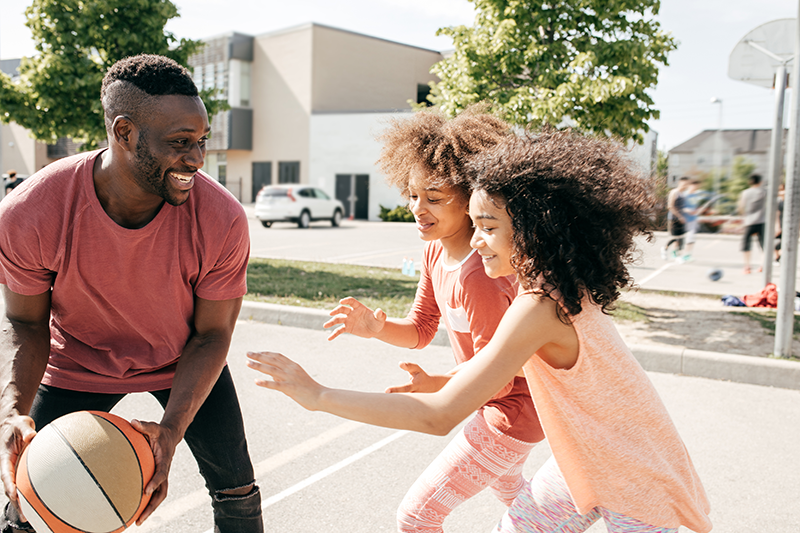
A coach watches a 10-year-old trail behind teammates in the drill line. Is she hesitant because she doesn’t understand what to do? Because she lacks confidence? Because her throwing mechanics need work? Or because she prefers to watch others first before attempting something new?
Without a structured way to observe physical literacy, you’re guessing. The PLAY Tools exist so you don’t have to.
The Problem PLAY Solves
Dr. Dean Kriellaars created the PLAY Tools at the University of Manitoba because standardized assessments of physical literacy simply didn’t exist. Traditional fitness tests measure outcomes—how fast, how far, how many. They miss what actually predicts whether a child will stay active for life: the combination of movement competence, confidence, motivation, and comprehension that constitutes physical literacy.
The assessment of physical literacy should include more than just movement skills. It should also include confidence, different environments, participation, comprehension and motivation. And critically, perception of physical literacy by the child, parent or practitioner are also important to assess—because how a child sees their own abilities often differs significantly from what observers see, and that gap tells you something actionable.
The Six Tools and What Each Does
PLAYfun is the comprehensive observation. A trained professional watches a child perform 18 fundamental movement tasks—running, throwing, kicking, balance—rating each on a four-point rubric (Initial, Emerging, Competent, Proficient). The tool also tracks whether the child needed prompting to attempt tasks, or waited to mimic peers first. That behavioural data reveals confidence and comprehension issues that pure skill assessment would miss.
PLAYbasic covers the same ground in eight tasks instead of 18. Use it when you need a snapshot quickly—same rigor, less time.
PLAYself is completed by the child. It measures their Physical Literacy Self-Description Score, which indicates self-efficacy related to physical activity. A child who scores between 0-300 will generally avoid situations involving physical activity because they lack the confidence, competence and/or motivation to participate. Knowing this lets you break down goals into more manageable objectives before the child disengages entirely.
PLAYparent gives parents a structured observation framework. Parents see their children in contexts coaches and teachers don’t—at home, at the park, in unstructured play. Their perspective fills gaps.
PLAYcoach captures the practitioner’s perception. Coaches, physiotherapists, athletic therapists, and recreation professionals record their observations of confidence to participate, movement diversity, and comprehension of movement terms.
PLAYinventory tracks what the child actually does throughout the year—their leisure-time activities beyond organized programs.
The tools are designed to work together. PLAYself, PLAYparent and PLAYcoach supplement the skill observations from PLAYbasic and PLAYfun, creating a multi-perspective picture no single assessment can provide.
Why This Approach Works
The PLAY Tools have strong research foundations. A study by Cairney and colleagues (2018) confirmed that PLAYfun is a valid assessment of motor competence in children ages 9 to 14. There is also extensive data showing the reliability and validity of both PLAYfun and PLAYself, reflected in the widespread use of the assessment tools across different sectors and provinces.
The tools demonstrate very good to excellent reliability, strong validity, are easy to interpret, and are very sensitive to change. That sensitivity matters for program evaluation—if you’re running a physical literacy initiative and need to demonstrate impact, you need instruments that detect meaningful change over time.
Originally designed for research, the PLAY Tools have proven to be an excellent fit with program evaluation. They serve multiple purposes: creating baselines for individual children, tracking progress over time, evaluating program effectiveness, and identifying children who need additional support.
Who Can Use Each Tool
PLAYfun and PLAYbasic require someone with movement analysis background—trained physical education specialists, NCCP-certified coaches, exercise professionals, physiotherapists, athletic therapists, or trained physical literacy observers. These individuals must have the knowledge to accurately assess the child’s technique, and must be able to identify gaps in the child’s development when observing each task.
PLAYself, PLAYparent, PLAYcoach, and PLAYinventory are more accessible and can be completed by children (age 7+), parents, and practitioners without specialized training.
Taking Action on Results
Assessment without follow-through wastes everyone’s time. Each PLAY workbook includes guidance on taking action based on scores.
For a child showing low self-efficacy: eliminate obstacles, encourage stepping outside their comfort zone, use positive reinforcement for participation and improvement. Break goals into manageable objectives—suggest 10 passes in 5 minutes rather than 100 throughout a session. Present each goal as a suggestion to give the child control over decision-making, which increases personal responsibility and commitment.
For a child showing skill gaps: ensure they have opportunities to develop all fundamental skills across different environments—home, school, organized sport, community recreation, leisure time. A child with highly developed movement skills and greater competence will be more likely to participate in physical activities.
The tracking sheets in each workbook allow recording up to 12 observations per child, so progress becomes visible over time.
The Expanded PLAY Family
The framework has grown beyond the core six tools:
Pre-PLAy (Preschool Physical Literacy Assessment), developed by Dr. John Cairney and colleagues, is an observational assessment for early childhood educators working with children from birth to six years. It helps educators understand where a child is developmentally on their physical literacy journey so appropriate steps can be taken to support them.
Adapted PLAY, developed under Dr. James Mandigo at Brock University, is specifically designed for persons dependent on assistive devices such as a wheelchair. It assesses motor competence through a battery of five tests covering locomotor, object control and balance skills.
Getting Started
All PLAY Tools, workbooks, tracking sheets, and supporting resources are available at play.physicalliteracy.ca. Download the tools, review the workbooks, and determine which combination serves your context—whether you’re a coach establishing baselines for a team, a recreation program demonstrating outcomes to funders, a physiotherapist tracking rehabilitation progress, or a parent wanting to understand your child’s development.
The tools exist because you can’t develop what you can’t observe. Start observing.
The PLAY Tools were developed by Sport for Life with the expertise of Dr. Dean Kriellaars of the University of Manitoba. For training opportunities and implementation support, visit play.physicalliteracy.ca.